Basic Life Support (BLS)
The PIMS Basic Life Support (BLS) course develops essential practical competence for recognising life-threatening emergencies and providing immediate support until professional medical assistance becomes availa...
 01
01
Program Overview
The PIMS Basic Life Support (BLS) course develops essential practical competence for recognising life-threatening emergencies and providing immediate support until professional medical assistance becomes available.
The programme focuses on adult, child and infant CPR, AED use, casualty assessment, airway management, rescue breathing, choking response and emergency-service activation.
What You'll Learn
- Adult CPR
- Child CPR
- Infant CPR
- Single-Rescuer CPR
- Team CPR Awareness
- Emergency-Service Activation
- Scene Safety
- Primary Casualty Assessment
- Responsiveness Checks
- Airway Management
- Head-Tilt/Chin-Lift
- Jaw-Thrust Awareness
- Rescue Breathing
- Mouth-to-Mask Ventilation
- Abnormal-Breathing Recognition
- Chest Compressions
- Compression Depth and Rate
- AED Operation
- AED Pad Placement
- Choking Response
- Adult Choking
- Child and Infant Choking
- Consent and Duty-of-Care Awareness
- Emergency Documentation

Empowering professionals with knowledge, practical understanding and stronger workplace skills.
PIMSWho Should Attend?
This PIMS Basic Life Support course is suitable for Employees requiring BLS skills, Healthcare Support Personnel, Community Responders, Teachers and Childcare Personnel, Fitness Professionals and members of the public seeking life-saving skills.
Key Benefits
After completing the programme, learners should be better prepared to:
- Develop practical life-saving competence
- Strengthen CPR skills
- Improve AED-use competence
- Develop airway-management awareness
- Improve choking-response skills
- Support rapid and effective emergency response

Assessment & Evaluation
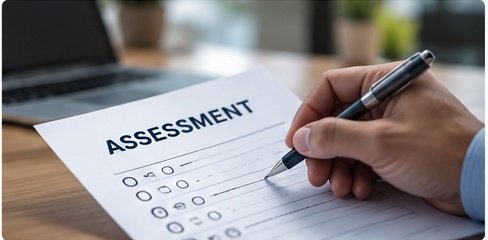
- Assessment Type: Written examination and practical demonstration.
- Format: Multiple-choice questions, short answers and BLS skill stations.
- Total Questions: 25 theory questions plus 1 practical demonstration.
- Passing Score: 70%.
- Duration: 1 day (6–7 hours total).
Start Your Professional Learning Journey.
Contact PIMS for information about Basic Life Support (BLS), training schedules and enrollment.
Enquire Now →